Our process
We take a deeply collaborative approach to building a culture of transformation and innovation inside your company. Our six steps stand on a foundation of learning, training and delivery, accelerated by AI.
The foundation the loop runs on.
AI in your team's hands. We weave it into how your people learn, train and deliver, so your business drives the change instead of absorbing it.
Learning
How the company finds out what's true.
We measure the work as it actually runs and set the baseline. From then on, leadership sees impact, progress toward the outcome, and the root cause when something slips — and adjusts the plan to keep the strategy aligned to that outcome.
Our analysts use AI to pull the numbers from your systems and measure the work against the baseline, so their time goes to judgment, not compiling.
Training
Sized to the engagement.
In a 90-day engagement, it is working sessions that leave your people able to build the rest. For a team already in place, it is a curriculum built from the gaps we measured. For a new team, it is an 18-month program: six months to build the recruiting and training models, then a 12-month rotation through the disciplines on live deliverables.
Every course and every delivery is done with AI in hand, so people learn the tools by using them — in every function the transformation touches, not just engineering.
Delivery
One workstream on a quarterly cadence.
Every quarter ships a finished increment into the business's hands, built by the people being trained, demoed to the people who will use it, while the larger platform takes shape underneath.
Your people and ours use AI to speed up specification, build, test and documentation; they direct it, review it, and own what ships.
How each step runs.
Who's in the room, what we do, what you leave with, and what it asks of you.
- 01
Define the business outcome
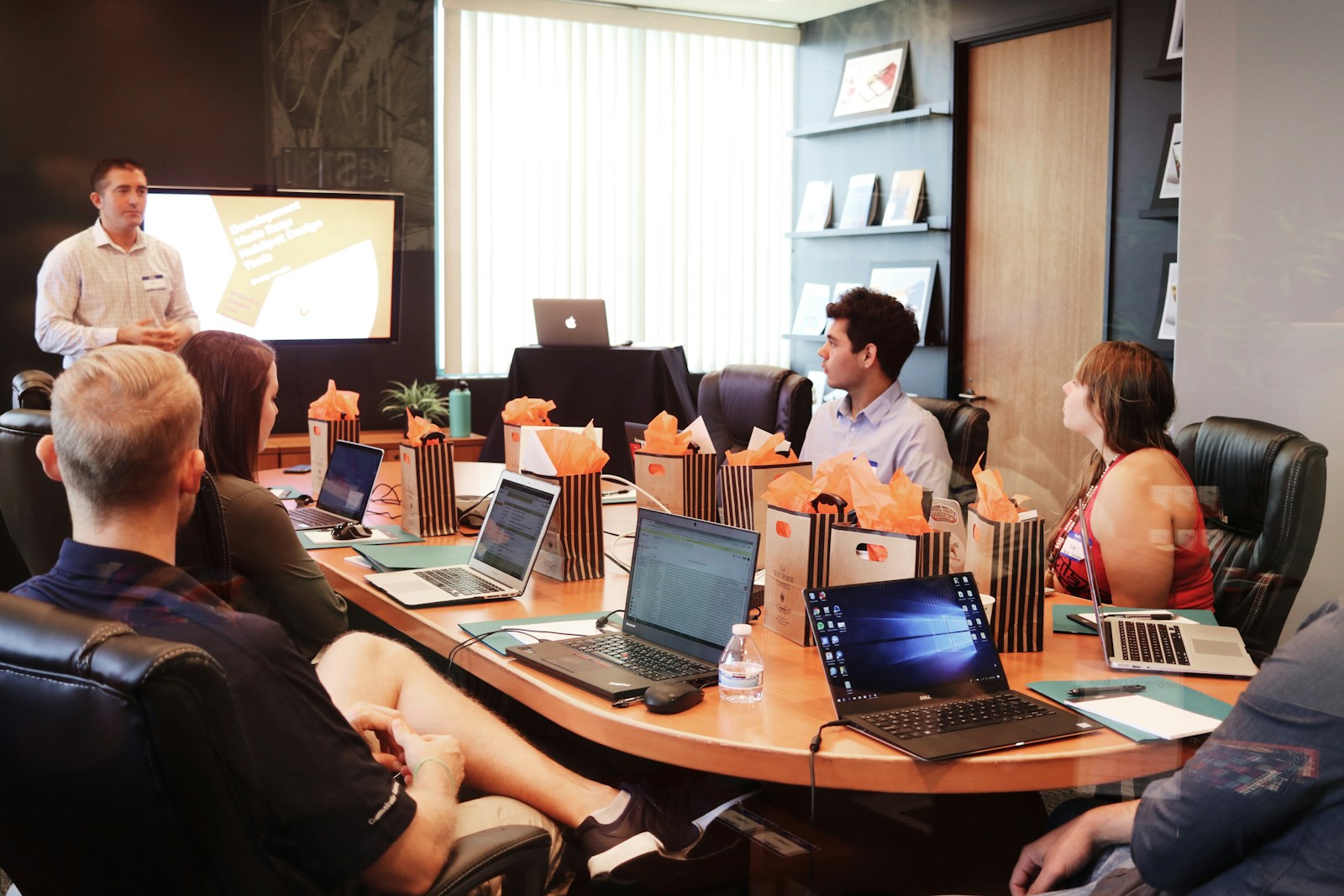
A handful of working sessions with the executives who own the outcome, weeks apart, not months. Between sessions we do the analysis. In the room we write the outcome down in your terms and agree how it will be measured. The last session is a decision, made on a business case and a bounded first use case.
It asks of youExecutive time, access to the numbers, and a decision at the end.
What we do
- Interview the executives and the people closest to the customer
- Analyze the market, the competitors, and where your numbers say growth stalls
- Model the outcome — the objectives, the five-year shape, the measure
- Write the phased roadmap and pick the first use case
- Write the business case and present it to the board or the executive team
We use AI to do the market and competitive research before the first session, so the room starts from evidence.
You leave withThe analysis, the business outcome in writing with its measure, a phased roadmap, and the business case.
- 02
Identify the people
We map who has to be in the transformation and look at capacity honestly. Where the people exist, we get them the time. Where they don't, we hire locally or build a team in a low-cost geography that's yours. That is a decision, not a default, made on the work, the timeline, and what you want to own.
It asks of youHiring authority, and a sponsor who can open an entity if one is needed.

What we do
- Map the sponsors, the owner of each outcome, and the people who will run what gets built
- Assess capacity and make the case — local, abroad, or both
- Where a center is built abroad, set up the entity, the office and the operating model, and hire its leadership
- Where a team is being built, spend the first six months on the recruiting and training models, then partner with universities, run campus recruiting, and write and grade the assessments
- Hire the senior people who seed and mentor the team
We use AI to help write the assessments. Grading them, and choosing people, stays with people.
You leave withA stakeholder map, the capacity decision with its case, a staffing plan and the hires to fill it, and — where one is built — a center that reports to you with a recruiting pipeline that keeps running.
- 03
Measure and fix the process
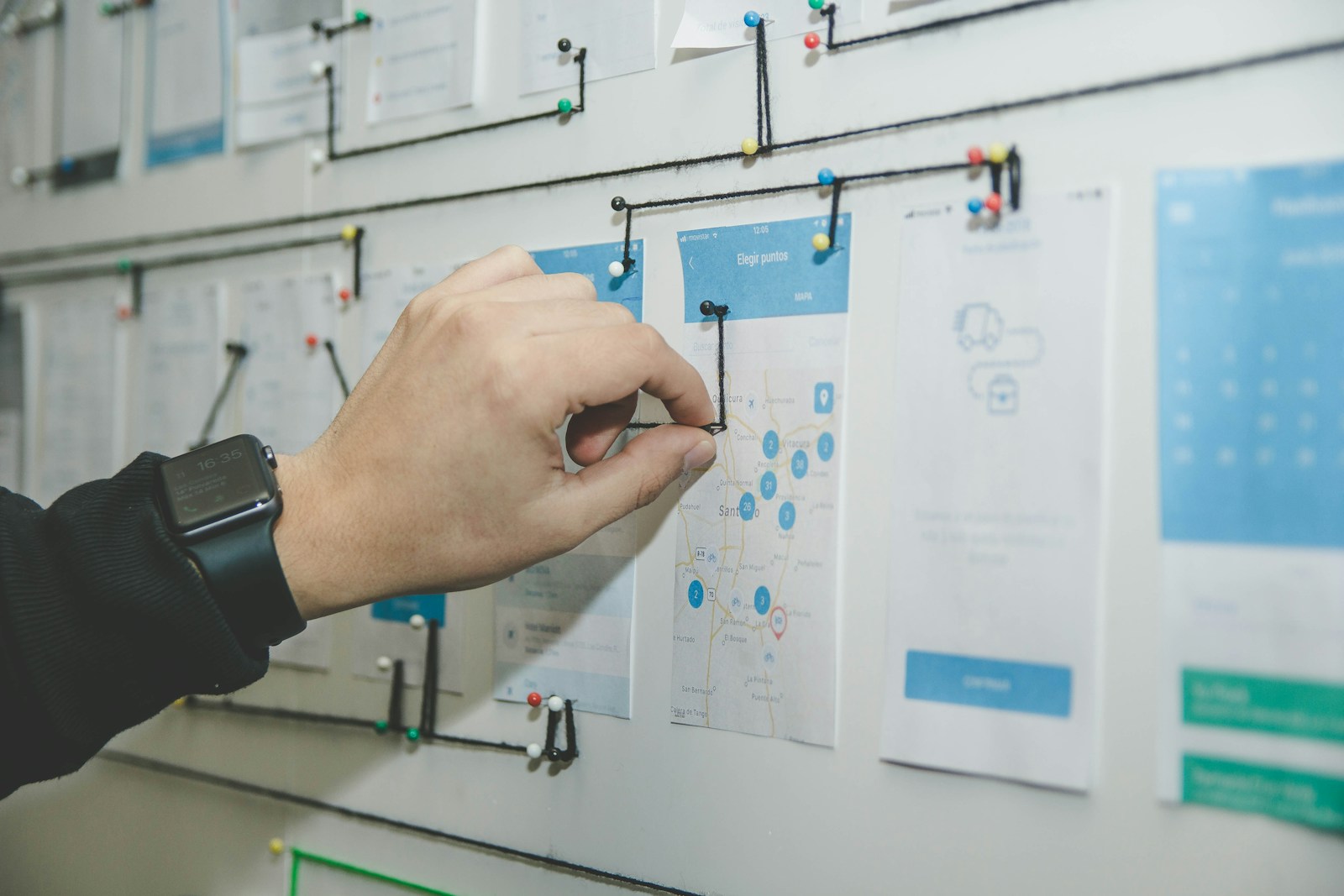
We sit with the people doing the work and map it as it actually runs, then put numbers on it. The fixes start at once. What's slow gets unblocked and what's pointless gets cut. What remains becomes the training curriculum, taught on real deliveries rather than in a classroom.
It asks of youAccess to the people doing the work, and permission to change how it's done.
What we do
- Map every process the outcome touches — who decides, who waits, where it stalls
- Measure it, and set the baseline the transformation is judged against
- Make the fixes that need no software — decisions, hand-offs, approvals
- Design the training curriculum from the gaps we measured, each course tied to a delivery
We use AI to measure the process from your systems' data, so the baseline is what actually happens, not an estimate.
You leave withThe process map with its measures, the baseline, the fixes made, and a training curriculum tied to the deliveries.
- 04
Build what the business needs
For each outcome we pick the solution that fits — a process, a product, a platform, bought or built — and build only where building is the competitive advantage. Where it's software, your people and ours work in one repository under an AI delivery framework that we install and your people learn to run.
It asks of youDecisions on scope, and a named owner for each system afterwards.

What we do
- Choose the solution — buy, build, or change the process — for each outcome
- Design the architecture and write the specifications
- Install the AI delivery framework in your repositories, so agents accelerate every delivery and your people direct, review and own the result
- Build alongside your people, in the same codebase, from the first sprint
- Document what was built so your team owns it, not us
Your people and ours use AI throughout the build, under a framework that says what it may do and who reviews it.
You leave withThe systems and processes in use, the designs and documentation your team owns, the framework in your repositories, and your team working in it.
- 05
Deliver every quarter
Training and delivery are one workstream. Every quarter has a finished increment the business will use, built by the people being trained, with senior mentors in the work beside them. Leadership sees progress in what's running, not in a status deck.
It asks of youBusiness owners who will use what's delivered and say what's wrong with it.

What we do
- Plan each quarter around one finished increment the business will use
- Run the training the engagement calls for — a rotational program for new hires, a curriculum for the people in place, or the working sessions that leave your people able to build the rest
- Mentor in the work — senior people on every team, reviewing every delivery
- Demo to the business owners and take what's wrong with it back into the next quarter
Every delivery is made with AI in hand, so the people being trained finish real work from their first quarter.
You leave withA quarterly cadence, finished increments in use, people trained on real deliveries, and progress leadership can see without a status deck.
- 06
Adjust continuously
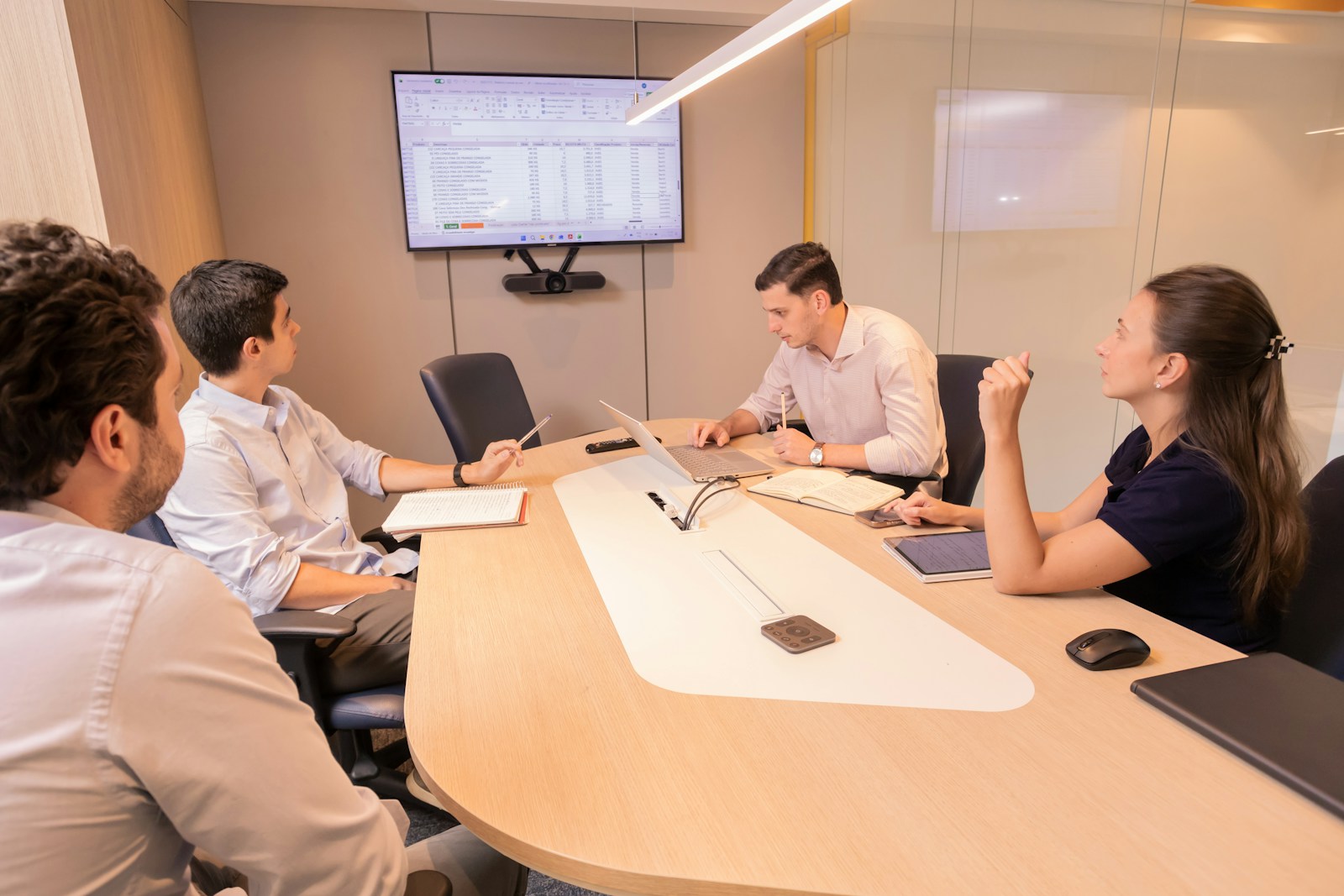
We hold a standing seat with senior leadership and report on what changed. The plan is adjusted to keep the strategy aligned to the outcome. From the first day there is a handover plan and a named successor for every role we hold, so the engine runs without us — and the loop goes round again.
It asks of youA standing seat at the leadership table, and honesty in both directions.
What we do
- Report to leadership on impact, progress toward the outcome, and the root cause when something slipped
- Revise the plan with leadership as the strategy and the outcome demand
- Maintain the handover plan, and name a successor for every role we hold
- Hand over role by role as your people are ready — and stay until they are
We use AI to compile the reporting from live data, so leadership reads root causes, not summaries.
You leave withLeadership reporting with root causes, the plan kept aligned to the strategy, and a handover plan with a named successor for every role we hold.
From a first conversation to a handover that's planned on day one.
A conversation, an assessment that ends in a scoped proposal, then the work. Small team, no bench.
A first conversation
Where your business wants to go, what stands in the way, and whether we're the right people. Thirty minutes with whoever owns the outcome.
An assessment
Scoped up front. We do the analysis with your executives and come back with the business outcome, the case for it, and a proposal — the deliverables, who on your side owns each afterwards, the timeline, and the price.
The work begins
The work starts as soon as the proposal is signed and the people are in place. Weekly written status from the first week — root causes and slips as they happen, not after.
The handover
Planned at the start, not the end. The engagement ends when your team is running it.
Three ways to engage.
One step of the engine, a leader on loan until you've hired your own, or the whole engine.
A single step
The business outcome alone. The people alone. A 90-day strategy your team then executes.
Fractional leadership
Head of platform or CTO for a company that has the need and not the headcount, with a handover plan and a named successor from day one.
The full program
Business outcome to handover — all six steps, with one owner, over years.
Start the conversation.
Tell us what's blocking growth — or, if you're not sure yet, we'll work that out with you. If we fit, we write the business case and execute it together.
wiqar@hypermodo.com